
10 Whole Foods that Pack as Much Punch as Your Supplements
What a beautiful gift that we are alive in a time where we can figure out what nutrients we need more of and have access to an incredible array of supplements to help fuel our health goals.
But let’s not forget that the foods we eat have the potential to be just as if not more effective in supplying our bodies much needed nutrient values.
Let’s have a look at 10 foods that pack a nutrient dense punch.
1. Liver
Before you get squeamish, liver is one of the most nutrient dense foods available to us. Abundant in vitamin A, folate, iron, B vitamins, and trace minerals such as zinc, selenium, copper, and folate, liver is a true superfood. I recommend always sourcing organic, grass fed or pasture raised Chicken or Beef liver, and eating once a week to get the benefits. Some people prefer to hide liver in sauces or enjoy it as a pate rather than eating it on its own. Of all the organ meats, liver also has the highest protein content.
2. Oysters
Oysters seem to be one of those things where you either love them or hate them, but these shellfish boast an impressive nutritional profile. Oysters are rich in Vitamin D, iron, selenium, zinc, copper, and B12. They are worth learning to love. If raw oysters aren’t for you, try incorporating them into a seafood chowder or pasta.
3. Dark Leafy Greens
Greens like Kale, Chard, Spinach, and Beet Greens are rich in micronutrients like iron, calcium, magnesium, and potassium as well as vitamins C,E, K and B. They also contain what are called ‘phytonutrients’ which help to fight cell damage. Lightly steaming these greens and adding a little lemon juice can help with absorption, but they are also great in smoothies, salads, or throwing into soups pastas and stir frys.
4. Berries
Berries are rich in antioxidants, as well as Vitamin C, A and B2. They also have a low glycemic load compared to other fruits, so won’t spike blood sugars as much. Some of the most nutrient dense berries are blueberries; rich in vitamin K and manganese, raspberries; high in vitamin C and manganese, and Goji Berries; full of Vitamin A. Fresh or frozen berries can be enjoyed on their own, can be used to top yogurt or in smoothies.
5. Wild Salmon
Omega 3’s? Look no further than the wild salmon. This fish contains an abundance of Omega 3 fatty acids, and is abundant in Vitamins A, B12, C, E, and D. Wild caught salmon is superior to farmed salmon typically, but farmed salmon still has many benefits. Enjoy it smoked, baked, or even raw in sashimi!
6. Eggs
Eggs have been the source of controversy in the nutrition world over the years, but the general consensus arrives back again and again to their high nutritional value. Egg yolks contain iron, Vitamins A, B12, C, D, E, folate, selenium, lutein, and choline. Eggs also contain a full protein amino acid profile, and outperform many protein powders. To get the best benefits, soft yolks are recommended, but hard boiled eggs also make a great on the go snack.
7. Seaweed
Seaweed is an excellent source of iodine, and is richer in many trace elements such as copper, iron, and magnesium than many ‘land vegetables.’ Iodine helps to support healthy thyroid function. Seaweed can be enjoyed in sushi, roasted seaweed snacks, seaweed salads, or added to smoothies and soups.
8. Cacao
Cacao (not cocoa) is a wonderful source of iron, magnesium, potassium and magnesium. Powdered Cacao can be added into smoothies, to make hot chocolate, or added into baked goods. Dark chocolate above 70% also does the trick. Yes, chocolate is a superfood.
9. Avocado
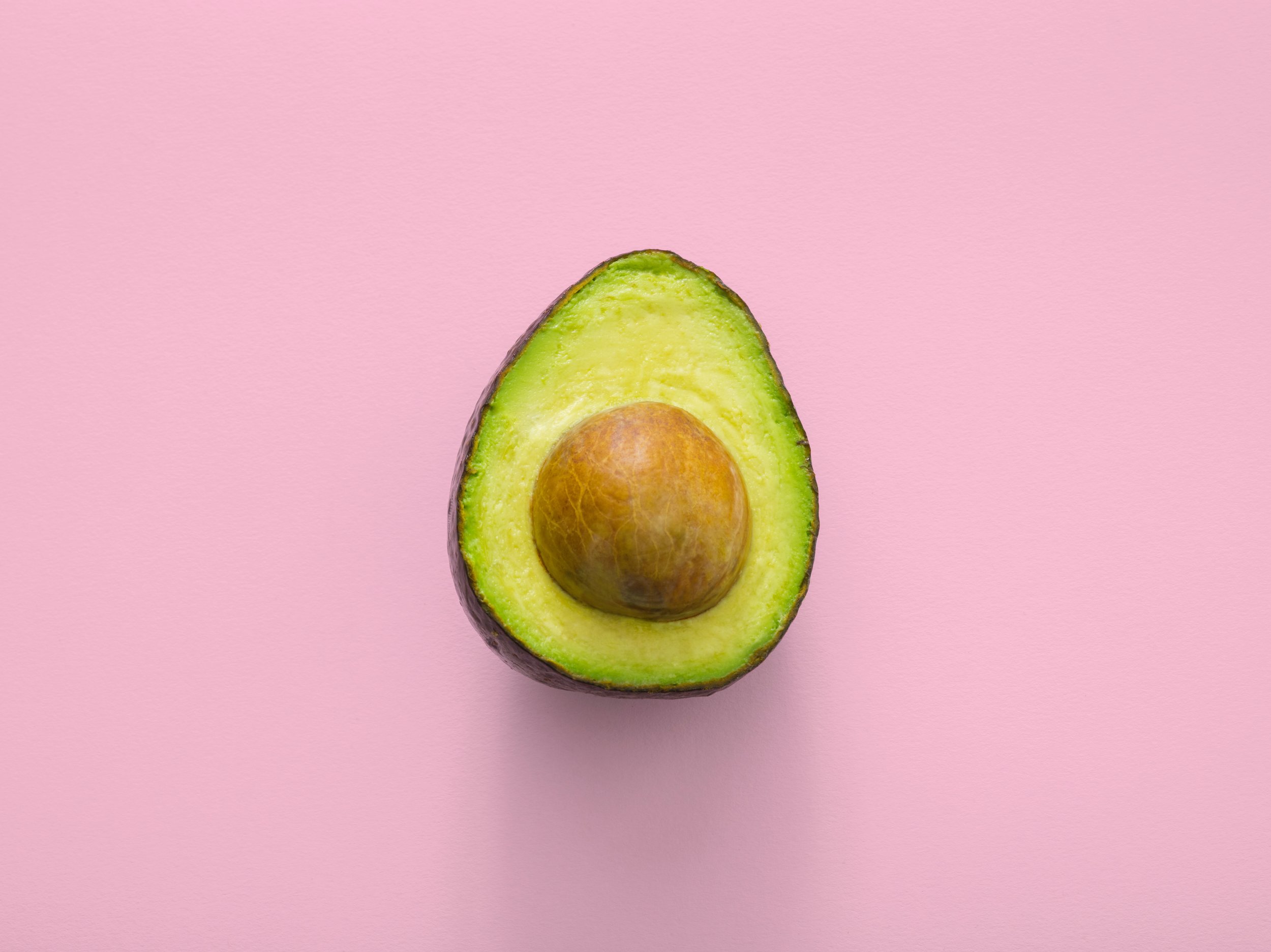
Avocado toast is no joke. Avocados are full of Vitamins C, E, K, B2, B3, B5, B6, Folate, Magnesium, Potassium, Copper, and Manganese. They also contain plenty of healthy fats to help absorb some of those awesome fat soluble vitamins. Aside from on toast, they can be added to smoothies, tacos, sushi, guacamole and even chocolate mousse– the avocado possibilities are truly endless.
10. Bone Broth
Collagen rich and filled with nutrients, consider this a whole food alternative to collagen powders. Bone broth makes nutrients like Vitamins A, E, K2, minerals like selenium, boron, iron, manganese and omega 3 and 6s easily bioavailable. Bone broth can be used to make soups, or drunk on its own as a nourishing hot beverage.
I always encourage my patients to seek out as much from their food as possible, and use supplements as just that– a supplement to a healthy vibrant diet.
I hope this list inspires you to incorporate some of these foods and reap the nutrient rewards!