
Do You Actually Need Supplements? A Functional Approach to Nutrition
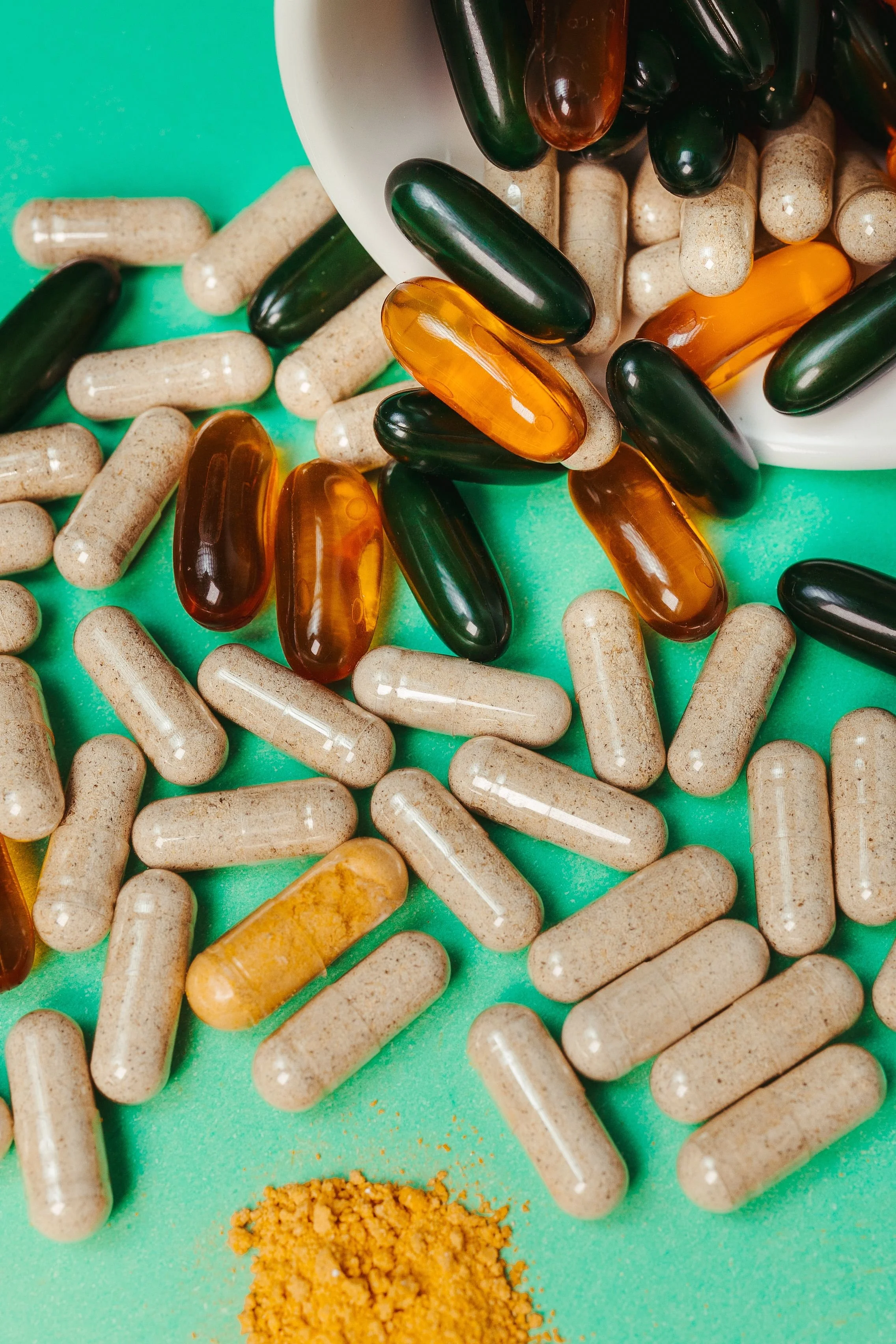
In a consumer world, health has become more about the next ‘thing.’ The next hack, the next trend, the next miracle supplement.
But long before health became an industry, we had good old fashioned solid nutrition.
That being said, our modern diet is a far cry from the way even our grandparents ate, and despite food being more convenient than ever before, we are faced with unique food problems. We have shelves upon shelves of “food” that actually serves no nutritional purpose, we have depleted soil that produces less nutrient rich food, we have busy on the go lifestyles that forgo the traditions of mealtimes.
So, do we really need supplements? I’m here today, as an ND that is passionate about my patients thriving in their health, to explore that question!
A Functional Approach to Nutrition
How can we ensure we’re getting everything that we need from our diet?
It’s not as complex as you might think: eat real food.
The simplest way to make sure you’re getting everything your body needs is to follow these straightforward rules:
Fill half your plate in colourful vegetables. Eat the rainbow as they say! Vegetables are filled with the vitamins and minerals we need, along with fibre to help digestion and keep you feeling full.
Eat protein with every meal. I’m talking good old fashioned meat, eggs, lentils, beans, dairy, fish and seafood. Leave the powders and the bars alone for the most part, as they can be filled with a lot of sugar and additives. Aim for roughly 0.5 grams per pound you weigh, depending on your activity level.
Eat whole grains. Whole grains keep the part of the plant intact that holds the most nutritional value, along with good fibre for healthy digestion!
Seek healthy fats. Nuts and seeds, olive oil, fatty fish, avocado are all great sources of good fats. The fat fear of the 80’s and 90’s was a health fad we are still undoing the effects of. Fats are not only essential, but rich in nutrients! Just choose the good ones.
Enjoy fruit every day. Natures candy, fruit is not only nutritious and fibre rich but it’s the sweet treat you can eat everyday guilt free.
Don’t forget your ferments. Probiotics are our guts best friend! Kefir, yogurt, miso, sauerkraut and kimchi are not only delicious but filled with the right bacteria your gut needs to digest all the healthy food you’re eating.
Sprinkle quality sea salt. A little sprinkle of sea salt not only seasons food but adds a little boost of trace minerals. Just be mindful of salt intake, especially if you are susceptible to high blood pressure.
Where Diet Falls Short
For many Canadians, we simply don’t get enough sunlight in the winter months to make adequate vitamin D. This means that most of us would benefit from a supplement.
Vegetarians, getting enough b12 is next to impossible so a quality supplement can go a long way in making sure you are getting everything you need.
Picky eaters, a multivitamin is your friend. If you aren’t going to eat the rainbow, at least chew your flintstones.
People with gut issues may experience problems with absorption of certain vitamins and minerals like iron. While the issues causing the absorption should be addressed, supplements can help replenish the body’s stores quicker.
Where Health Can Be Optimized
While food and a proper diet should be our first priority when it comes to nutrition, we are able to target and optimize things specifically for our needs with the tool of supplementation. We all have different nutritional needs, and our lifestyle can mean we have higher needs in certain areas that can be difficult to make up with food.
For example, body builders can target certain amino acids. Or stressed mamas may need some extra magnesium. It’s not about supplementing your way out of a healthy diet, but giving yourself that extra boost to thrive.
Quality Matters, and You Shouldn’t go in Blind
The quality of the supplement you are taking makes a difference as well. There are plenty of gimmicks, and certifiable nutritional garbage on the market that is just going to drain your wallet and do no favours for your health and wellness. There is also no one size fits all for nutrition!
I encourage people to discuss any nutritional gaps with their healthcare providers and find what is right for them, and get quality recommendations.
Dr. Marita’s Verdict
Do we need supplements? In my professional opinion, the answer is most often yes. A good diet is the most important thing, but most Canadians would benefit from some basic supplementation such as D3, Magnesium, Omegas and B Vitamins as a helpful tool to fill gaps, and boost and optimize an already healthy lifestyle.