
What Your Period Is Trying to Tell You
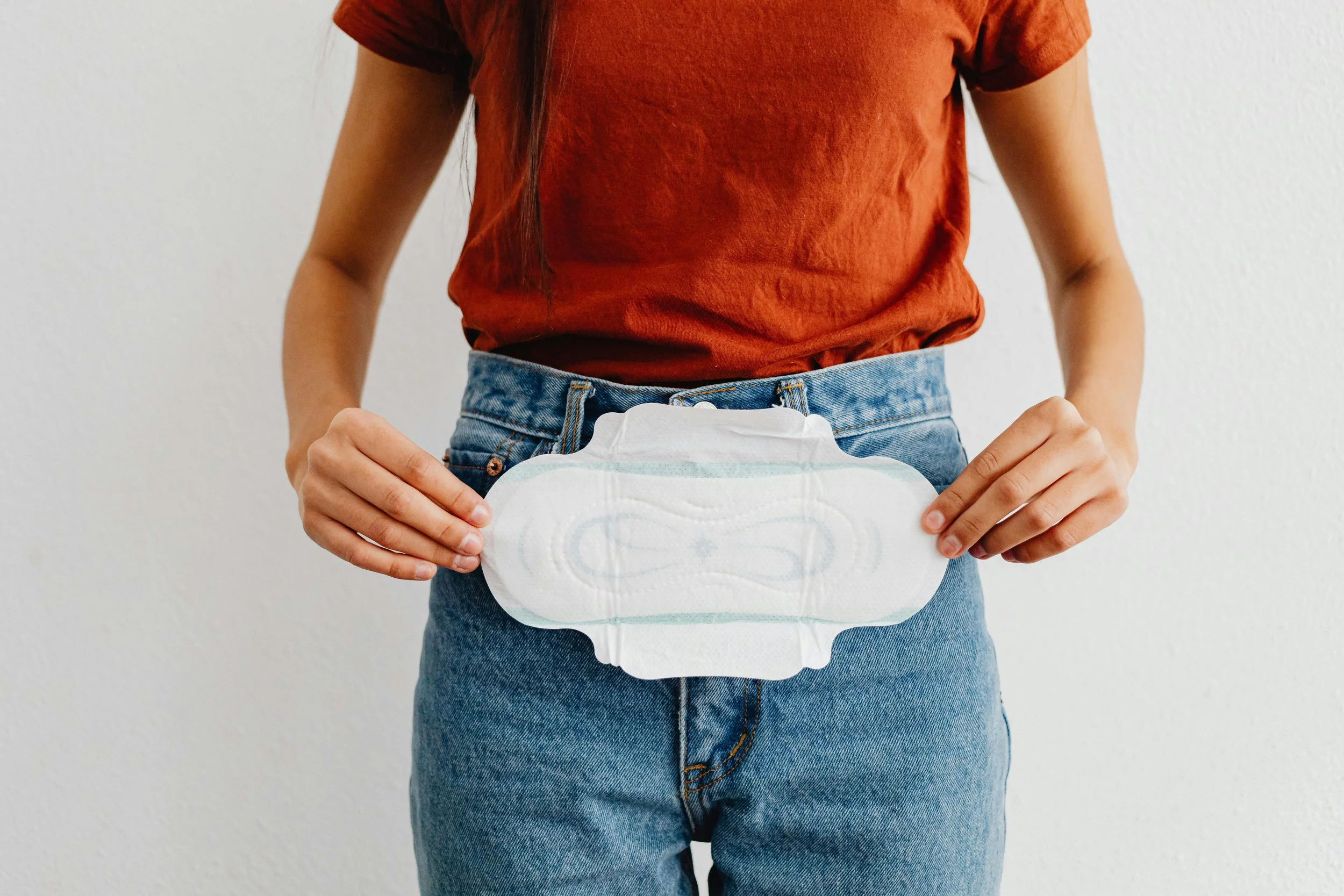
Despite our cultural norms, your period isn’t actually just something to “deal with” every month, as a woman it’s one of the most powerful health report cards your body gives you. And yet, we have been taught to hide it, suppress symptoms, or just push through what our body throws at us, missing out on the deeper clues it’s trying to show you.
Here’s the truth: a healthy menstrual cycle should feel relatively smooth, predictable, and, dare I say, uneventful. If it’s not, your body is communicating.
The question is… are you listening?
What a “Healthy” Period Actually Looks Like
While there is some variation from person to person, let’s establish the baseline of what a healthy period looks like before we get into the red flags. And don’t freak out if you don’t see yourself represented here, many things we’ve come to accept as a normal part of life or just the ‘cost of being a woman’, aren’t actually normal and deserve attention, but we will get into that later on.
Cycle length: ~26–32 days
Bleeding: 3–7 days
Flow: moderate (not a crime scene, not barely there)
Colour: variations of pinkish, brownish red, bright blood red, to deep dark red are all normal depending on the point you’re at in your bleed
Pain: minimal to none
PMS: some mood variation, but not life-disrupting
If your experience is far from this, there’s usually a reason.
What Your Symptoms Might Be Saying
Heavy Periods
Soaking through tampons/pads quickly or passing large clots can point to estrogen dominance, low progesterone, or nutrient deficiencies (like iron).Painful Periods
While a bit of discomfort is normal, cramps that require you to cancel plans or rely on painkillers aren’t ‘just part of being a woman,’ but are often linked to inflammation, prostaglandin imbalance, or conditions like endometriosis.Missing or Irregular Periods
If your cycle is unpredictable, or disappears altogether, your body may be under stress. Culprits could be under-eating, over-exercising, thyroid issues, or hormonal imbalances.PMS That Feels Intense
Mood swings, anxiety, irritability, breast tenderness, cravings, when PMS feels overwhelming, it’s often tied to hormone imbalance (again, estrogen and progesterone), blood sugar instability, or nervous system dysregulation.Spotting Between Periods
This can signal low progesterone, stress, or issues with ovulation.
How to Support a Healthier Cycle
1. Balance Blood Sugar
Eat regular meals with protein, fats, and fibre. Avoid running on caffeine and snacks alone, or overdoing the sweet treats (your hormones will notice).
2. Support Hormone Detox Pathways
Your body needs to properly metabolize and clear estrogen. Think: cruciferous veggies, fibre, hydration, and liver support.
3. Reduce Inflammation
Omega-3s, colourful whole foods, and minimizing ultra-processed foods can help calm the inflammatory response tied to cramps and PMS.
4. Manage Stress (Realistically)
You don’t need a 60-minute morning routine, but small, consistent habits (walking, deep breathing, quiet time reading or meditating) go a long way.
5. Track Your Cycle
Patterns matter. Apps or simple pen to paper tracking can help you connect symptoms to phases of your cycle and catch imbalances early.
6. Supplement Support Options
Magnesium- Helps for cramps, mood, and supporting good sleep
Vitamin B6- Can help with PMS support and regulating mood
Omega-3 fatty acids- Can reduce inflammation and period pain
Chaste tree (Vitex)- For progesterone support (consult your care provider)
Herbal teas like raspberry leaf or chamomile- Raspberry leaf is a herbal support for hormone regulation, and chamomile can help reduce pain from cramps.
Instead of dreading your period, start getting curious about it. The more you understand your cycle, the more you can work with your body instead of feeling like it’s working against you.
You deserve to feel good full time, not just half time.