
Your Guide to Choosing a Protein Powder
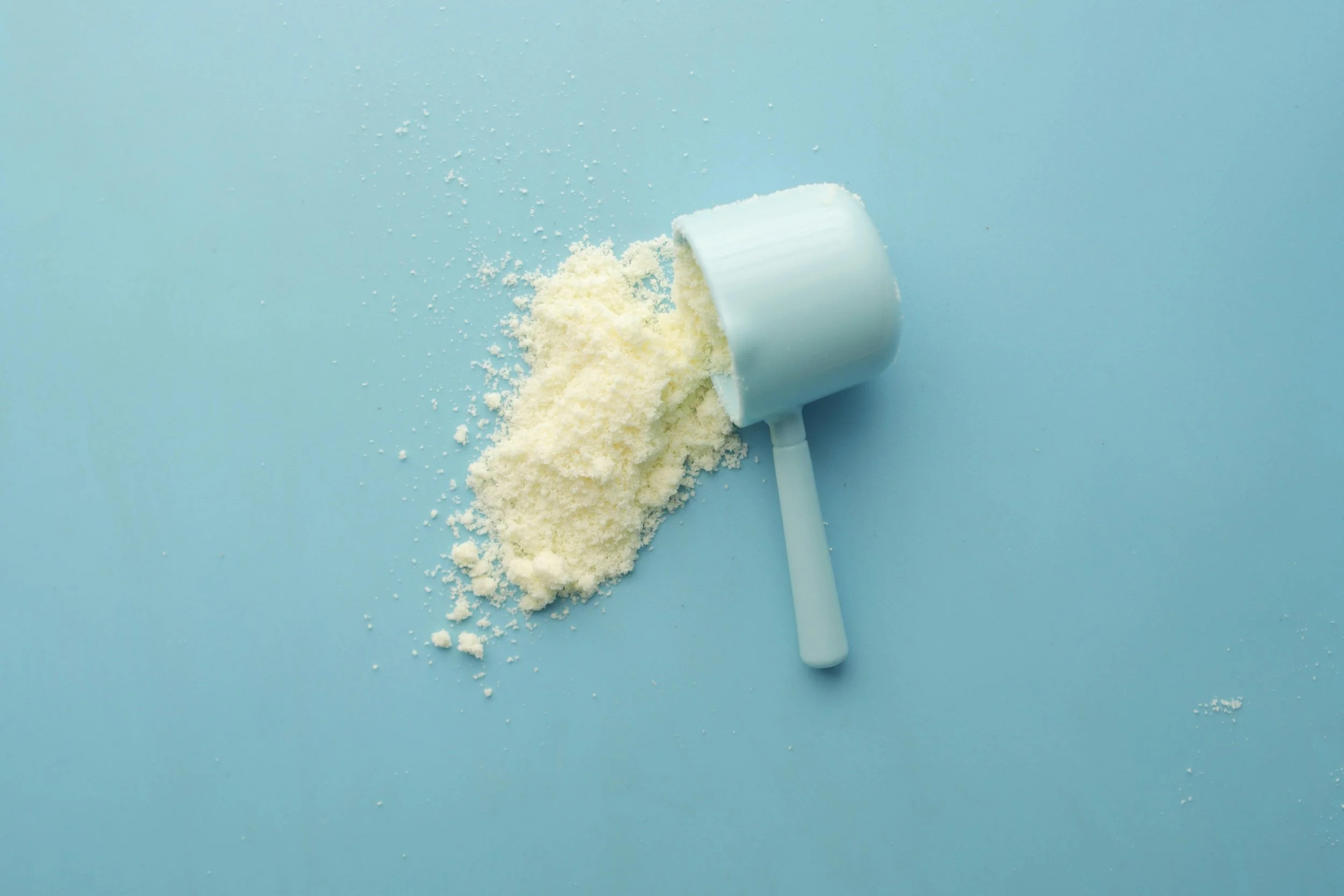
Protein powders are all the rage in modern wellness, but unfortunately some protein powders are basically just dessert in disguise and your “health supplement” could turn into one of the most inflammatory, hormone-disrupting, bloat-causing ingredients in your kitchen!
Let’s break down what actually makes a protein powder supportive and how to turn it into real-life nourishment instead of just another sugary shake.
Why Protein Is a Powerful Tool for Wellness
Protein is not just for bodybuilders. Research is showing just how important protein intake is for many areas of our body’s function like:
Blood sugar stability
Hormone production
Detoxification
Neurotransmitters (mood + focus)
Immune function
Skin, hair, and connective tissue
Most people are dramatically under-protein’d, especially women, and that leads to fatigue, cravings, anxiety, and slow healing.
A high-quality protein powder is often the easiest way to gently increase protein intake without forcing yourself to eat chicken breast at 7am.
The Problem With Most Protein Powders
Unfortunately, a lot of powders on store shelves are glorified milkshakes. They contain:
Artificial sweeteners (which disrupt gut bacteria)
Sugar alcohols (bloating, gas, IBS flares)
Low-grade whey from hormone-treated cows
Soy isolates (hormone-disruptive for many people)
Heavy metals from poorly sourced plant proteins
If your protein powder makes you feel puffy, bloated, inflamed, anxious, or ravenous two hours later, it’s not helping you.
How to Choose a Good Protein Powder
Here’s what I look for in clinic:
1. Clean Protein Source
Whey (best for most people)
Look for: Grass-fed, Undenatured, Whey isolate or hydrolysate
Whey is rich in glutathione-building amino acids, which means it supports liver detox, immune health, and skin repair.
Collagen
Great for: Gut lining, Joints, Skin Elasticity
But collagen is not a complete protein, so pair it with another protein source if you’re using it as a meal.
Plant-Based
Choose blends (pea + rice + hemp) rather than single sources. This improves amino acid balance and digestibility.
Avoid: Cheap pea protein alone, “Proprietary blends” that hide poor sourcing
2. No Fake Sweeteners
This is a big one. Avoid Sucralose, Aspartame, and Acesulfame potassium
These disrupt insulin, gut bacteria, and appetite regulation.
Better options include Stevia, Monk fruit, Or no sweetener at all
You can always sweeten naturally with berries, cinnamon, or vanilla.
3. Minimal Ingredients
Your protein powder should not read like a chemistry experiment.
An idea ingredient list would look something like this:
Protein
Maybe lecithin
Natural flavor
A natural sweetener
That’s it.
If there are 20 ingredients you can’t pronounce, it’s probably better to steer clear.
Why Protein Powder Is a Blood Sugar Superpower
Protein slows the absorption of glucose, which means fewer energy crashes, less anxiety, less craving for sugar, and better hormone signaling.This is especially powerful for women with PMS or PCOS, those in perimenopause, and anyone with fatigue or anxiety
Adding protein to smoothies, coffee, or snacks can be life-changing.
Yummy Protein Powder Recipes
Here are some creative ways to get the most out of your protein powder, besides just adding it to your smoothies.
1. Blood Sugar-Balancing Vanilla Iced Latte
Perfect for replacing that morning coffee. Creamy, grounding, and no jitters.
1 cup your milk of choice
1 scoop vanilla whey or plant protein
½ tsp cinnamon
1 tsp collagen
½ cup brewed coffee (cooled slightly)
Ice
Blend.
2. Chocolate Brownie Protein Balls
Perfect for on the go snacking, or a little sweet treat after a meal.
3. Banana Protein Icecream
Make your dessert protein packed!
4. Protein French Toast
A high protein twist on your sunday morning breakfast favourite.
5. Protein Cinnamon Rolls
Yes, cinnamon rolls :)
6. High Protein Mac and Cheese
This is a great way to get more protein in for those picky eaters. You can also use high protein pasta for even more protein!
7. Protein Overnight Oats
A make ahead easy breakfast for busy mornings.
Bonus tip: in most baking, you can substitute some of the flour for protein powder for an extra protein boost!
Enjoy!