
What Wearable Tech Can Do for Your Health Awareness
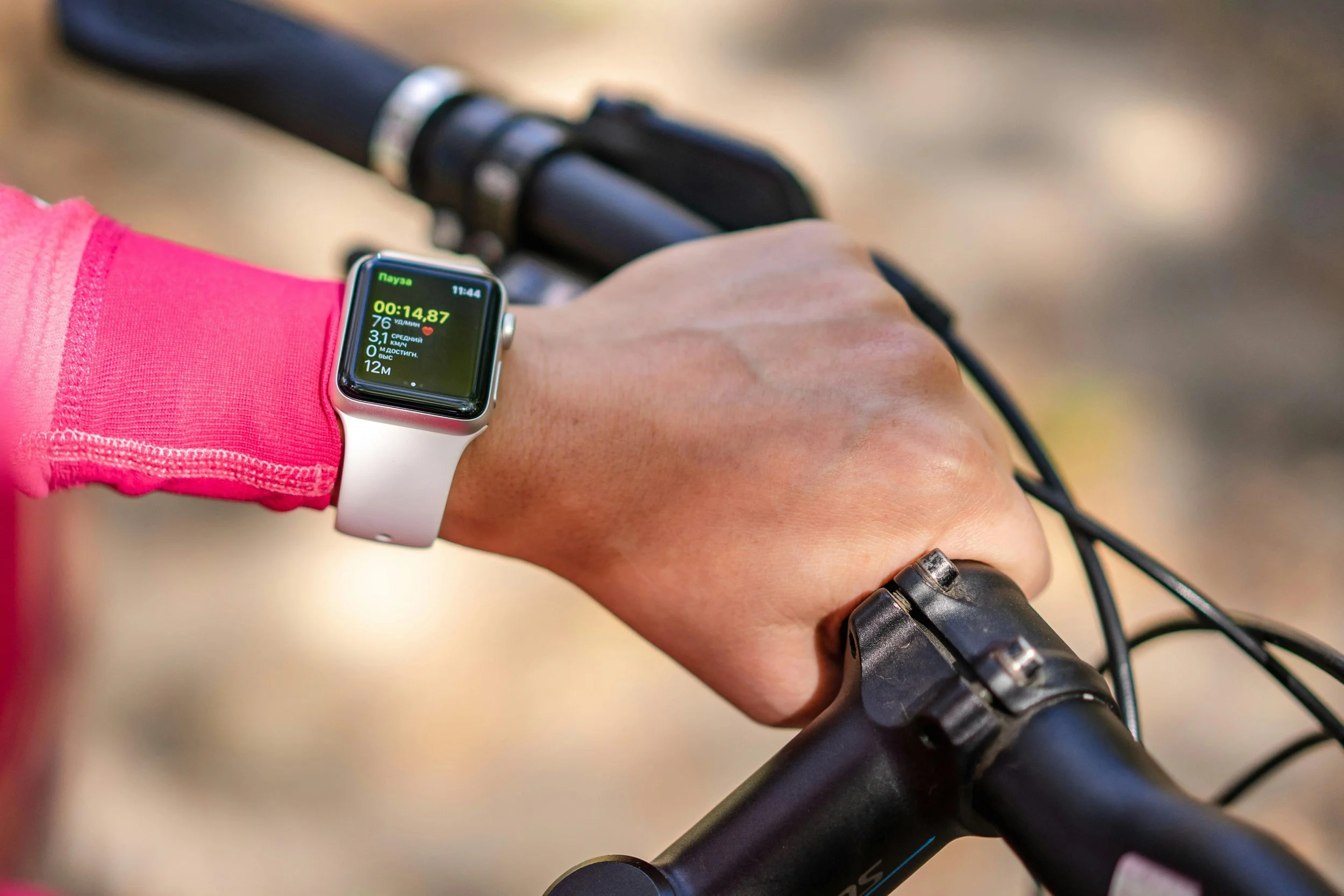
Wearable tech has officially blown up.
What started as glorified step counters has evolved into sophisticated health data collection. Devices now offer 24/7 biometric feedback. Things like heart rate, temperature trends, sleep staging, stress patterns, movement data, and even menstrual cycle insights.
As a naturopathic doctor, I love anything that increases awareness, because awareness creates choice. And choice allows us to create change.
Let’s explore what wearable tech can truly do for your health… and where it fits with an intuitive wellness approach.
The Cool Benefits for Your Health Monitoring
1. Your Body in Real Time
Most wearables now offer tracking for things like resting heart rate, heart rate variability (HRV), respiratory rate, blood oxygen, temperature trends, step counting, and caloric burn..
Some types are even offering ECG functionality that can detect irregular rhythms such as atrial fibrillation.
What makes this powerful isn’t a single reading that captures you on a specific day and time, because the monitoring is continuous, it allows us to see trends over time.
2. Sleep & Recovery
Sleep is sooo underrated. Sleep is the time where our hormones regulate, tissues repair, memories consolidate, and our metabolism recalibrates.
Wearables can give us insides by breaking our sleep data into measurable insights on how much of our night is spent in deep sleep, REM sleep, light sleep, wake periods, and can provide us with overall “recovery scores.”
You might begin to see how behaviours affect these scores, such as a fragmented sleep after a stressful week, or more restlessness after eating late or drinking alcohol..
When we improve sleep quality, we see improvements in mood, blood sugar balance, cravings, weight regulation, and immune resilience
Sometimes the most powerful “biohack” is simply earlier bedtime.
3. Stress Awareness: Making the Invisible Visible
A whole lot of people live in low-grade fight-or-flight without realizing it. Believe it or not, your body doesn’t know the difference between running from lions and that tight project deadline!
HRV is one of the most useful metrics to look at for how your body is handling stress. Lower HRV generally reflects higher stress load or reduced recovery capacity.
When we see this data before our eyes in things like an HRV tank during work deadlines, our resting heart rate spiking after poor sleep, or recovery scores plummet during overtraining, it removes shame.
It becomes data, not personal failure… and we can work with that!
4. Cycle Tracking
We as women now have the power to peek behind the mystical curtain of our menstrual cycle and our hormonal makeup than ever before! This is especially groundbreaking because this is an area that has been historically overlooked in medicine. It turns out, women aren’t just smaller men. Who’d of thunk we had our very own, highly complex hormonal data to dive into? And now, we can take that into our own hands by tracking things like Basal Body Temperature (BBT) trends.
Some devices are able to track subtle overnight temperature changes. After ovulation, progesterone causes a small rise in body temperature. Over time collecting this data can help us to track ovulation and either help to plan or prevent pregnancy, identify irregular cycles, and even help us to plan our lives around the shifts in our hormonal makeup through the month to get the most out of every phase!
Instead of guessing where you are in your cycle, you can see it reflected in your physiology. Suddenly, that workout being harder before your period makes sense. That restless sleep in the week before bleeding? Not random.
5. Perimenopause Insights
For women in their late 30s and 40s, wearable tech can reveal subtle signs of change before cycles become obviously irregular. We can see things like rising nighttime temperatures, more sleep disruption, lower HRV, and higher resting heart rate.
Instead of confusion or frustration, or the slow creep of your old habits no longer supporting you, we can respond proactively. Information is power.
6. Weight Loss Made Tangible
While many of the other insights above can also help with achieving or maintaining a balanced weight, such as regulating stress and sleep… At the end of the day, weight loss comes down to calories in < calories out. And it can be hard to guesstimate this without tracking. We can weigh our food, use a calorie counter and all that, but how much are you moving? Wearable tech can give you real-time insights into your step counts, calories burned, sedentary time, and where you are either under or over training.
With this info you can tailor your game plan day by day, and long term to support your weight journey.
7. Preventive Health: Early Signals Matter
One of the most exciting aspects of wearable tech is early trend detection. These tools don’t replace clinical care, but they do bridge the gap between annual checkups and daily life and they can be useful tools for your healthcare provider to analyze alongside any symptoms, or desires you have for your health. That’s powerful!
Okay I hear the question from the back…
But Dr. Marita, What About EMFs, Signals & Long-Term Exposure?
What are the long-term effects of wearing a device on your body that emits Bluetooth or wireless signals?
Well, the truth is we don’t fully know yet. This is a new technology, and this will be something we will see in the coming decades. However, most wearables use low-energy Bluetooth (BLE), which emits non-ionizing radiofrequency radiation, and current regulatory agencies consider these exposure levels to be within safety limits. The radiation emitted is significantly lower than that of a cell phone held to the ear.
As with many areas of technology and health, absence of conclusive harm is not the same as proven long-term neutrality. Research is ongoing.
For individuals who are more cautious or electromagnetically sensitive, there are practical steps you can take:
Switch the device to airplane mode at night (many still track data offline).
Remove the device during parts of the day.
Choose a device that syncs manually rather than continuously transmitting data.
Avoid stacking multiple Bluetooth devices on the body simultaneously.
As always, it’s about informed choice, you decide whether the data you can glean is worth any perceived risk.. not fear.
A Word of Caution: Data Should Serve You, Not the Other Way Around
Wearables are tools…not authorities. We don’t want to fall into obsessive checking, anxiety over “bad scores,” or ignoring intuition because the app says you’re “fine.” That kind of defeats the purpose. What we do want is to cultivate pattern awareness, curiosity, and empowerment of how we can use these tools for our advantage in living the most healthy life we can! Your body still speaks first.