
Vaginal Health 101: The Art of a Happy Hooha
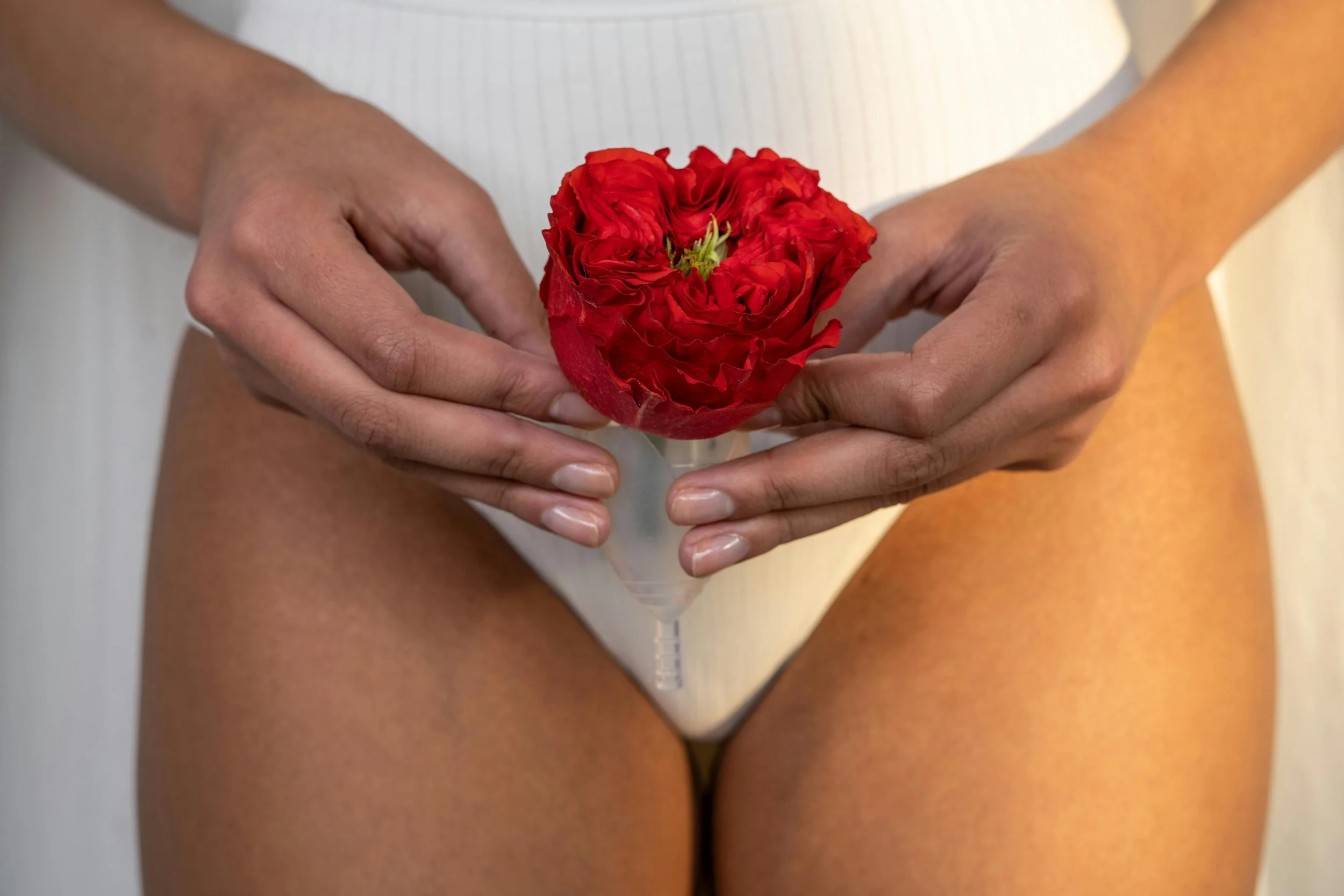
Let’s talk about something that deserves way more airtime than it gets: vaginal health.
Many women keep their vaginal symptoms to themselves, out of embarrassment or feeling ‘dirty’ but as a naturopathic doctor, I can tell you this: almost every woman everywhere has had uncomfortable vaginal symptoms at some point in her life. And while certain symptoms may not be ‘normal’ in terms of the ideal vaginal health conditions, they are certainly common.
A lot of women experience itching and immediately seek an over the counter solution like vagisil, but there might be a bit more going on than you think.
Let’s unpack it.
The Microbiome: Your Inner Garden
Think of your vaginal flora like a garden. When the soil is healthy, the flowers crowd out the weeds.
In this case, the soil is your PH levels, the flowers are good bacteria, and the weeds are bad bacteria and yeast.
The vagina is designed to be slightly acidic (pH 3.8–4.5). That acidity, thanks largely to Lactobacillus species of bacteria, protects against overgrowth.
Things that disturb that soil:
Antibiotics
Chronic stress (hello, cortisol)
High sugar diets
Hormonal shifts (pregnancy, perimenopause, postpartum)
Tight, synthetic clothing
Overwashing or scented products
Semen (which is alkaline and temporarily raises vaginal pH)
When that terrain shifts, symptoms follow.
BV vs. Yeast: Not all Itching is Equal
Most vaginal itching is caused by one thing: microbiome imbalance. But there are two different main culprits.
Bacterial vaginosis (BV) happens when the healthy lactobacillus bacteria in the vagina are outnumbered by other bacteria. The result? A higher vaginal pH and that classic fishy odour, especially after intercourse.
Yeast infections, most often caused by Candida, thrive in warm, moist environments, especially when the microbiome has been disrupted by antibiotics, stress, hormones, or high blood sugar.
Both conditions involve microbiome imbalance. But they are not interchangeable and treating them incorrectly can prolong the cycle of returning to balance.
Still Itchy… But Tests Are Negative
One of the most frustrating is scenarios having a chronically itchy, irritated, maybe even a little swollen vulva but swabs come back negative. No BV. No yeast. No STI.
So what gives?
Chronic vulvar itching without infection is more common than people realize. Here are some overlooked causes:
Trapped Moisture
The vulva hates being damp for prolonged periods. Tight leggings, synthetic underwear, sweaty workouts, or staying in a wet bathing suit can create a warm, moist environment that irritates delicate tissue.
Sensitivity to Soaps & “Gentle” Products
Even products marketed as natural, organic, or pH-balanced can cause contact dermatitis.
Common culprits:
Fragrance (even essential oils)
Tea tree oil
Scented laundry detergent
Fabric softener
Bubble baths
Panty liners
The vulvar tissue is more permeable than other skin. What your arms tolerate, your vulva may not.
Low Estrogen
Estrogen plays a huge role in maintaining healthy vaginal tissue and lactobacillus levels. When estrogen drops, postpartum, during breastfeeding, or in perimenopause, the vaginal lining becomes thinner and drier. When estrogen drops:
Lichen Sclerosus & Other Skin Conditions
Persistent itching, especially if worse at night, or changes in skin colour/texture, should always be evaluated. Conditions like lichen sclerosus, eczema, or psoriasis can affect the vulva and require specific treatment.
Pelvic Floor Tension & Nerve Sensitivity
Chronic stress, trauma, or improper alignment and posture can create pelvic floor hypertonicity (constant clenching). Over time, restricted blood flow and nerve hypersensitivity can mimic infection symptoms: burning, rawness, irritation.
If someone says, “It feels irritated, but nothing shows up on tests,” this is an area worth exploring.
The Art of a Happy Hooha
Regardless of what is going on for you and your intimate garden, there are some general best practices that will help your vaginal health thrive. These things might seem basic, or they might seem surprising, but considering how little we talk about women’s intimate health, they are worth spelling out. This thing should absolutely have come with a manual!
1. Vagina Friendly Hygiene
Repeat after me: the vagina is self-cleaning.
Douching, scented washes, and harsh soaps disrupt the microbiome and pH. Even “feminine hygiene” products can do more harm than good.
Wash externally only with warm water alone or a gentle, unscented cleanser
Choose cotton underwear
Avoid staying in wet bathing suits
Change out of sweaty workout clothes promptly
Sleep without underwear to let things breath
Spend a few minutes ‘airing out’ after a bath or shower.
Skip scented pads/tampons
Consider menstrual cups or organic cotton pads and tampons
2. Support Hormonal Balance
Daily habits help to maintain a healthy hormonal balance and help keep things balanced down below as well.
Balancing protein + fibre at every meal
Reducing refined sugar
Addressing underlying stress
Support liver health by lightening your toxic load (cut alcohol, smoking, and processed foods)
Get quality and consistent sleep
3. Probiotics: Not All Are Created Equal
Oral probiotics can absolutely help maintain vaginal flora, but strain specificity matters.
Look for formulas containing Lactobacillus strains studied for vaginal health, such as L. rhamnosus and L. reuteri. Some women benefit from vaginal probiotic suppositories during recurrent BV cycles. Consistency is key. And so is rebuilding after antibiotics.
Vaginal health is not separate from overall health. It reflects your hormones, stress levels, immune function, gut integrity, blood sugar balance, and lifestyle.
If you’ve been quietly managing symptoms, repeatedly buying over-the-counter treatments, or feeling embarrassed—please know this: there is always a root cause.
And it deserves attention without shame.